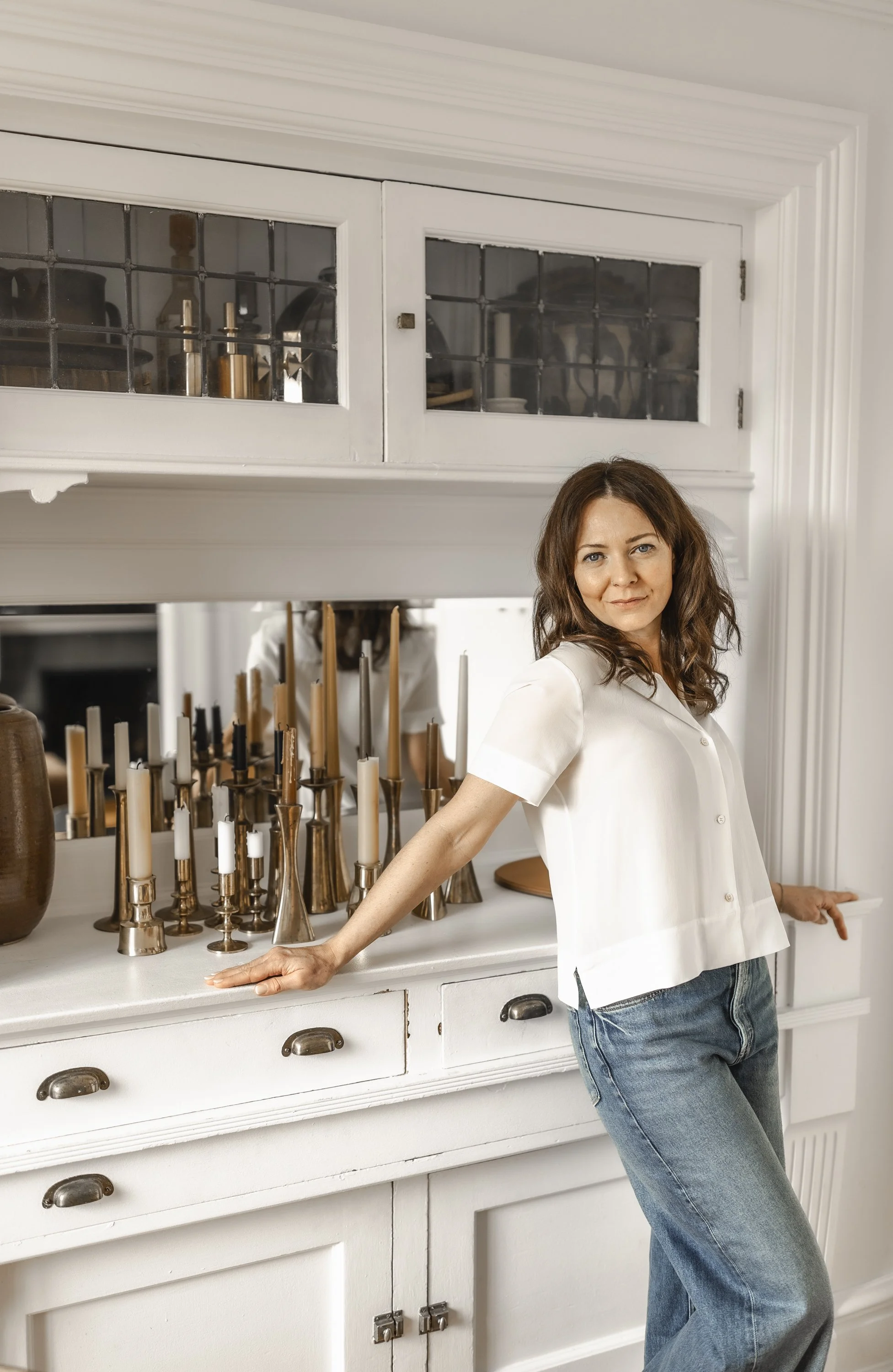
Timeless Interior Design: How to Create a Home That Never Feels Dated
Timeless interior design is one of those phrases that gets used constantly—but what does it actually mean?
For some, it brings to mind traditional architecture, heritage homes, or interiors that somehow seem immune to time. For others, it can feel vague, intimidating, or even unrealistic. After all, design trends shift constantly. What feels current today can feel tired surprisingly quickly.
But timeless interiors are not about resisting change.
In fact, the homes that feel the most enduring are often the ones that evolve the best.
A truly timeless home is less about a specific aesthetic and more about the decisions underneath it—the choices that continue to make sense years later, both practically and emotionally.
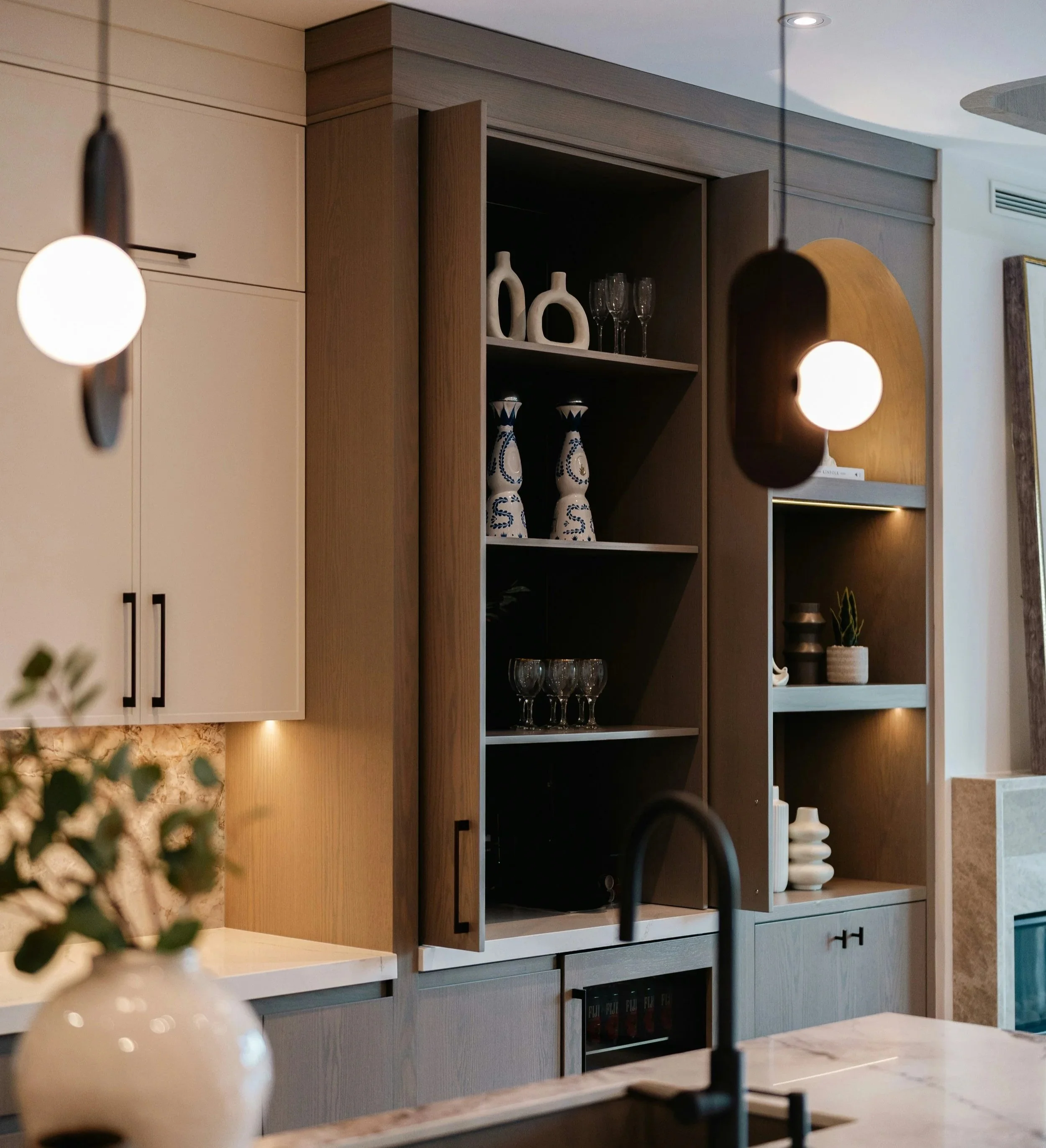
Why Some Homes Hold Up Better Than Others
We instinctively recognize timelessness outside the home.
Certain objects, places, and brands stay relevant not because they chase reinvention, but because they’re rooted in clarity, quality, and consistency.
A Rolex.
A trench coat.
A Persian rug.
An old English cottage.
A beautifully worn leather chair.
None of these are timeless simply because they are old.
They endure because they carry substance.
And interiors work in much the same way.
Rooms that continue to feel compelling over time often share a few characteristics:
quality materials
thoughtful proportion
restraint
emotional relevance
adaptability
evidence of life
Timeless design is rarely about perfection.
It’s about staying power.
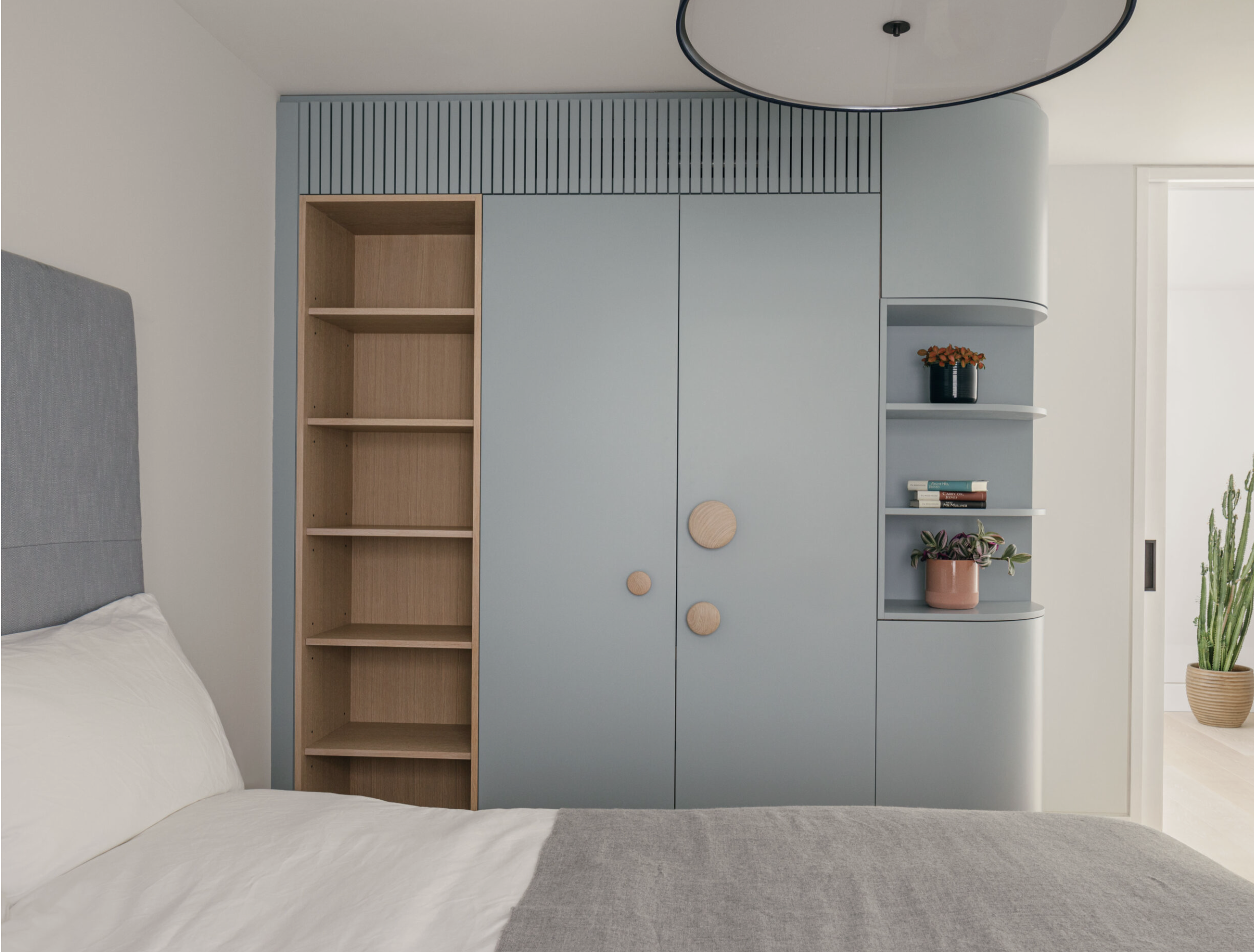
Shape London - Kitchens and Joinery England
The Fast Interiors Problem
The furnishing industry increasingly mirrors fast fashion.
Quick trend cycles, lower-quality manufacturing, impulse purchasing, and constant visual turnover have changed how many people approach home design.
The result?
Spaces that feel fresh for a moment, but disconnected not long after.
When a room is built around what’s currently popular rather than what genuinely suits your life, it often requires constant updating to maintain its appeal.
That creates more than visual fatigue.
It creates friction.
Because our homes are not passive backdrops—they shape our routines, our energy, and how we experience everyday life.
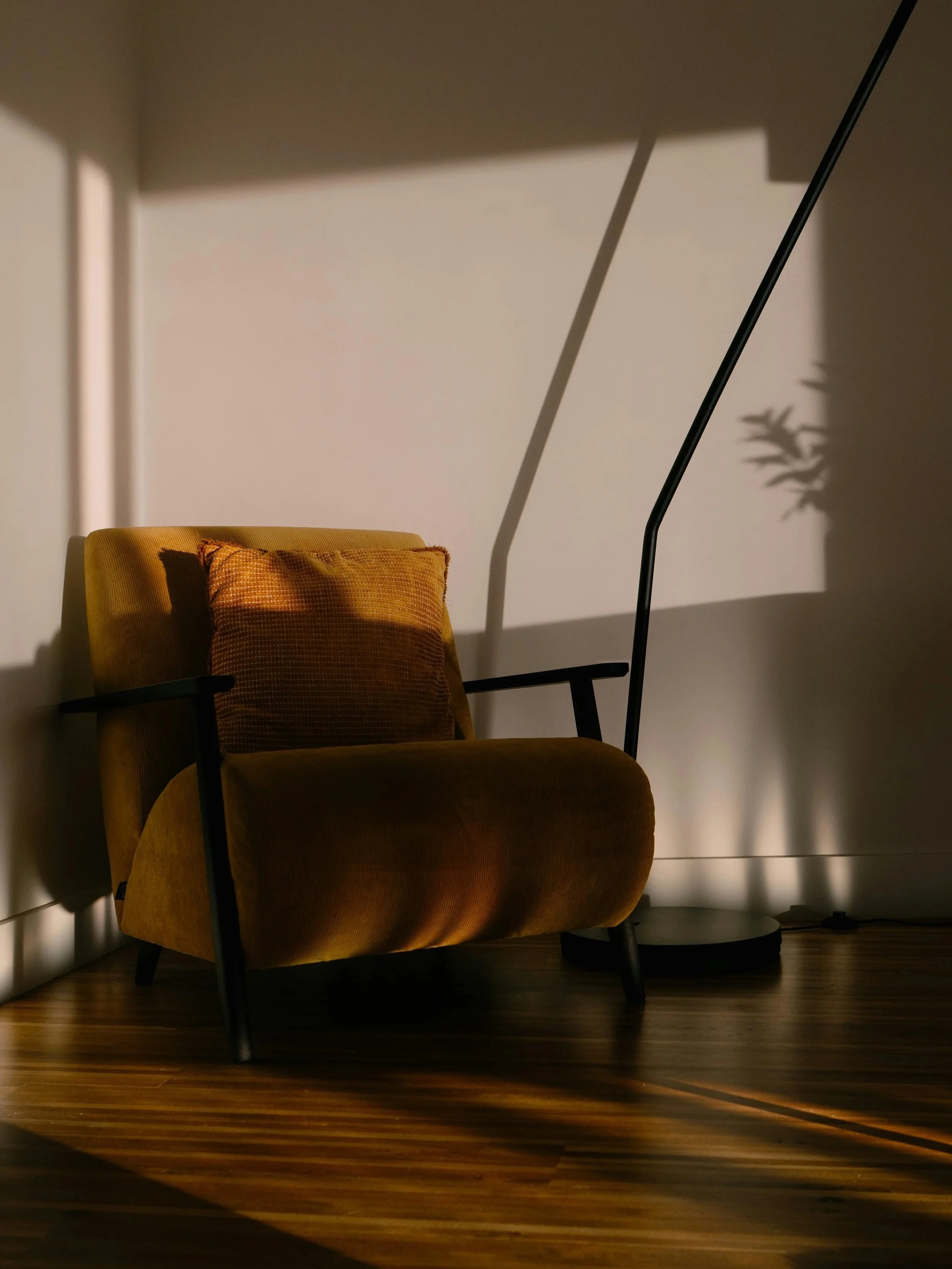
5 Principles for a More Timeless Home
Invest in permanence where it matters
Not every purchase needs to be heirloom quality.
But certain elements do far more heavy lifting than others.
Cabinetry, dining tables, rugs, upholstery, lighting, hardware, and architectural details often define how grounded a space feels.
Well-made materials reward time.
Wood develops character.
Stone softens visually with wear.
Brass gains richness.
Linen relaxes.
A quality piece often becomes more beautiful through use rather than less.
That alone changes the equation.
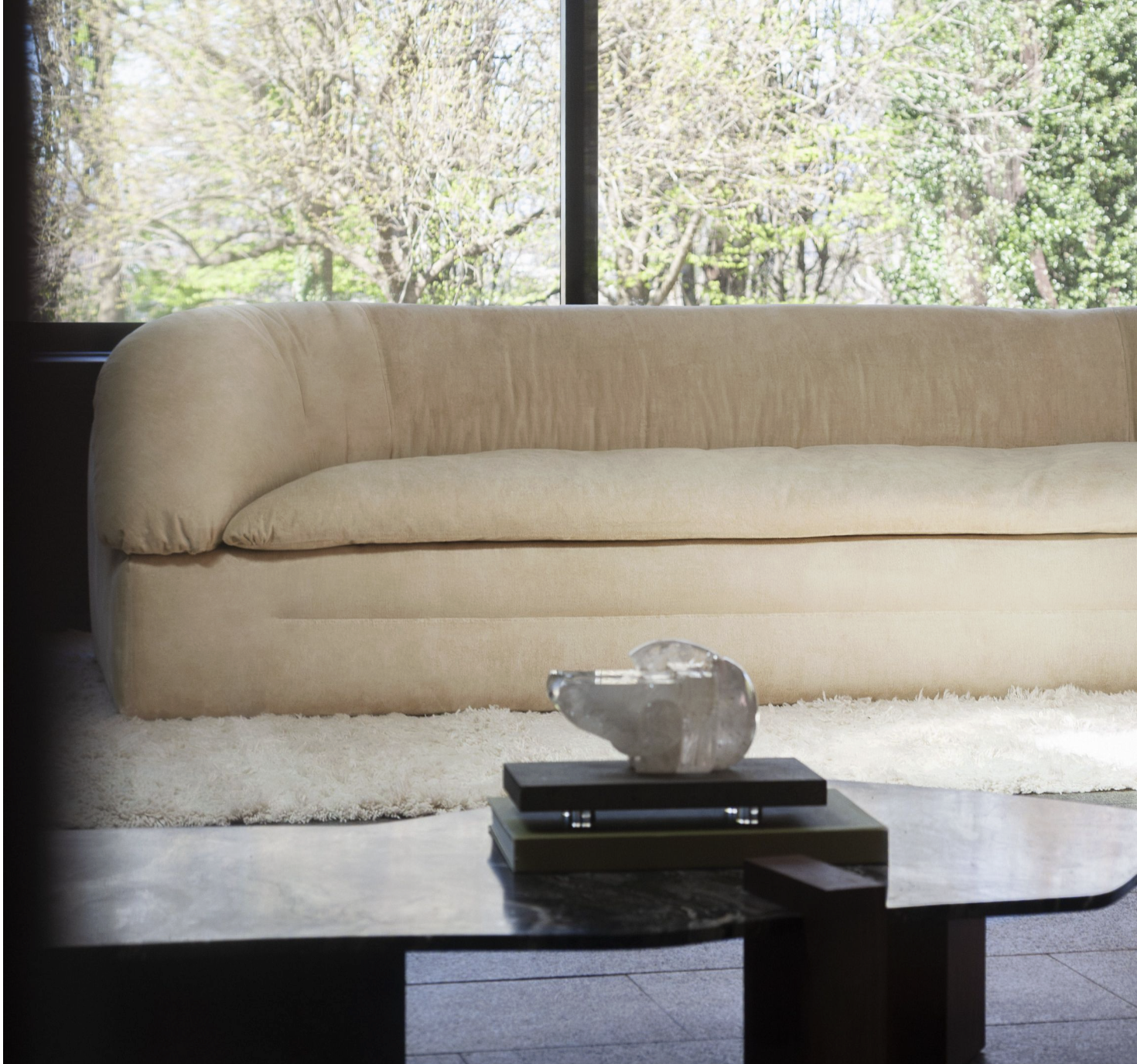
Butter Sofa by Faye Toogood
Shop with intention, not urgency
A layered home rarely happens in a weekend.
One of the easiest ways to make a space feel less considered is to furnish it too quickly.
Buying more slowly creates better decision-making.
It gives you time to understand what’s actually missing, what proportions are needed, and what will genuinely contribute to the room.
This is where collected interiors begin.
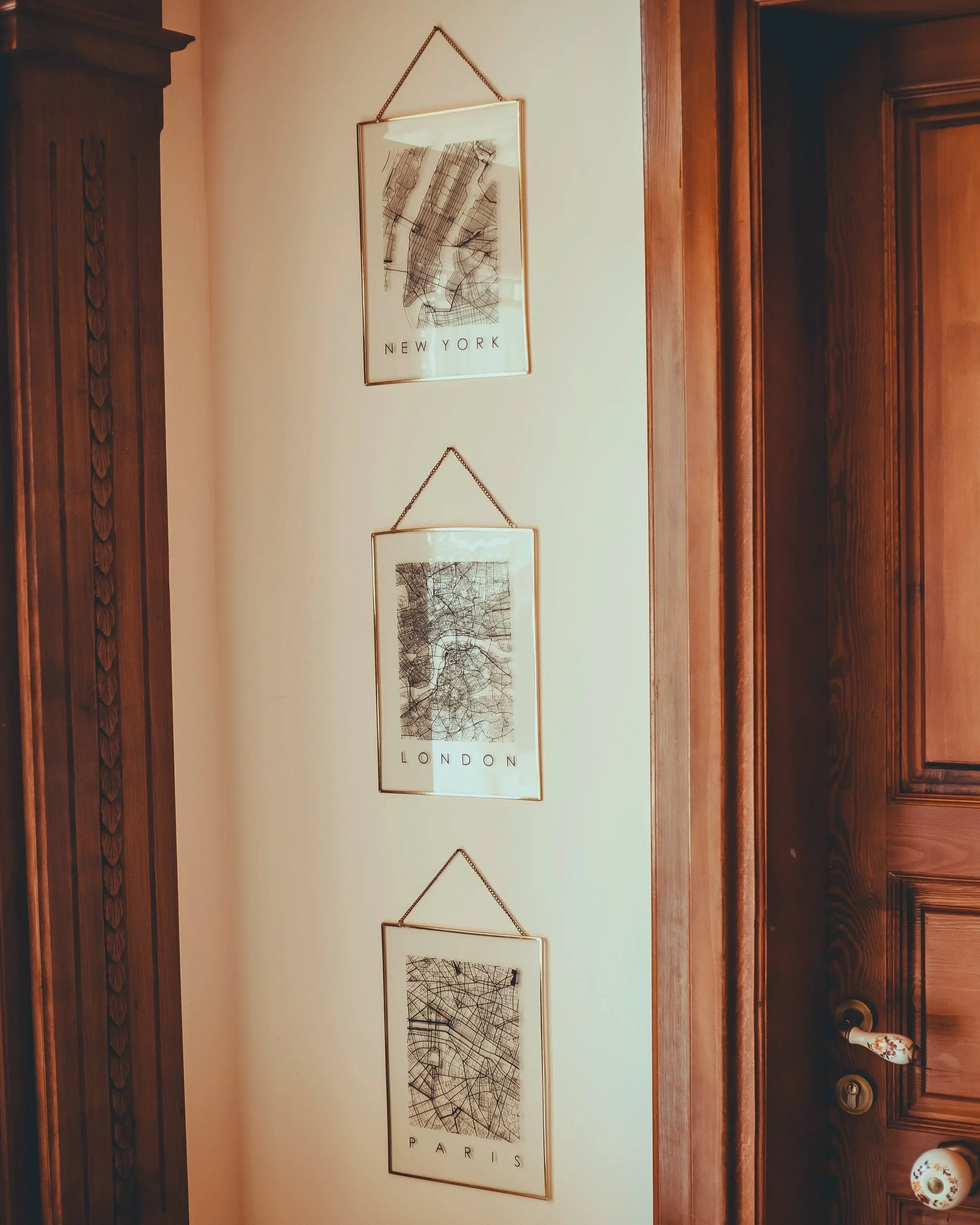
The antique frame discovered while hunting.
The lamp you waited months to find.
The artisan-made object that carries a story.
These details create distinction.
Create contrast
Rooms that feel overly matched often feel temporary.
The most compelling interiors tend to contain tension.
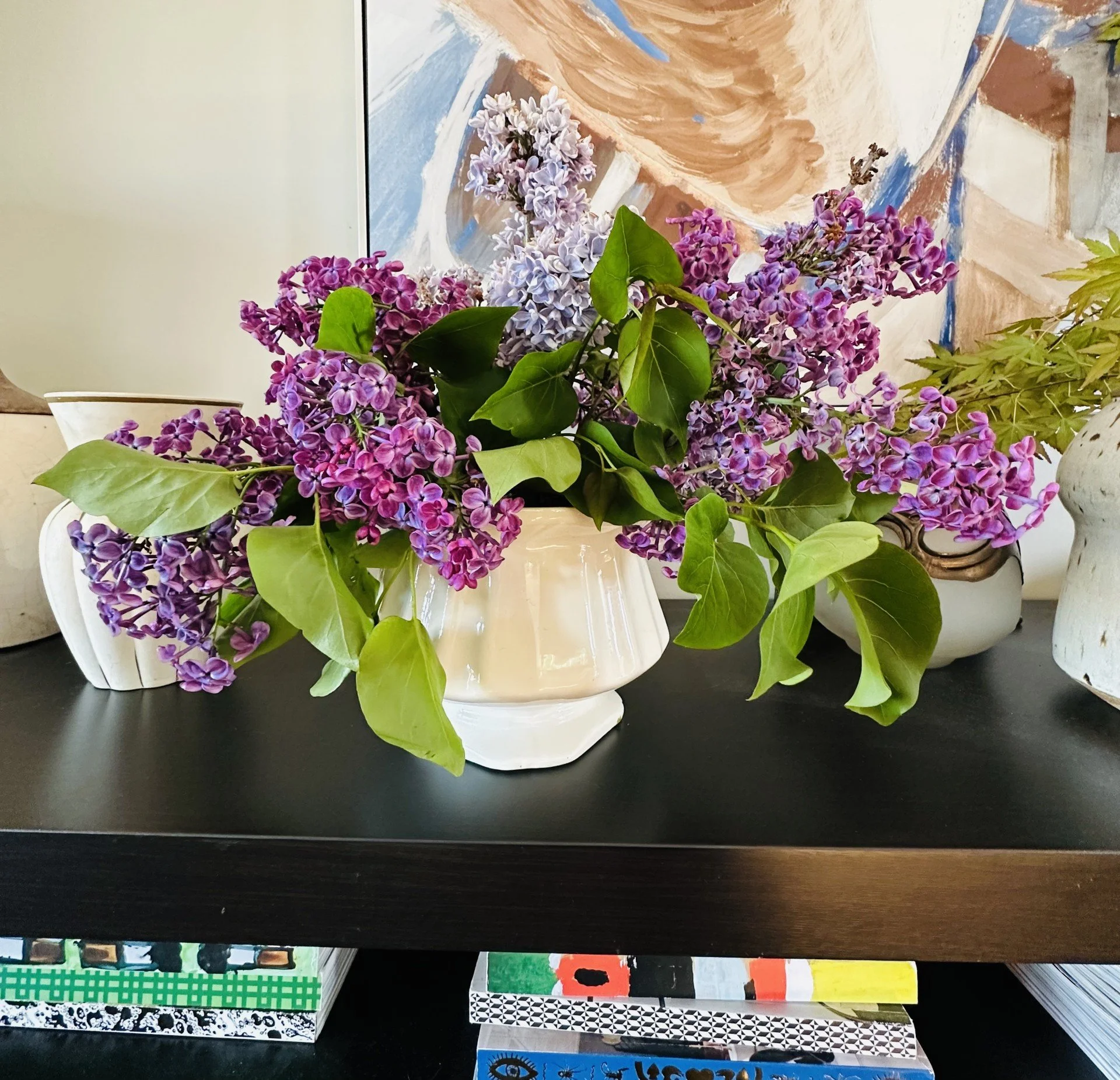
Old alongside new.
Polished beside imperfect.
Contemporary mixed with traditional.
This layering creates depth—and depth is often what prevents a room from feeling tied to a single moment.
A home should feel assembled over time, not purchased in one afternoon.
Design the layout before the styling
Decoration cannot rescue a room with poor flow.
Some of the most enduring interiors succeed because the spatial planning is right.
How people move through the room.
Where conversation naturally happens.
What the room is expected to support.
Formal entertaining demands something different than family lounging.
A city apartment behaves differently than a country home.
Timelessness often starts with function.
Because when the room fundamentally works, the design has longevity.
Make it personal
This may be the most overlooked part of timeless design.
A room without personal meaning may photograph beautifully—but it rarely leaves a lasting impression.
The homes people remember tend to reveal something about the people living in them.
Books that are actually read.
Furniture with history.
Travel objects.
Inherited pieces.
Meaningful artwork.
When interiors reflect personal values rather than borrowed aesthetics, they naturally gain permanence.

Final Thought
A timeless home is not one frozen in perfection.
It’s one that can absorb life gracefully.
One that becomes richer through use, more layered through time, and more connected to the people living within it.
Because ultimately, good design is not just about how a space looks.
It’s about whether it continues to support the life unfolding inside it.