Kitchen Design for Health and Wellbeing: How Layout, Lighting, and Details Shape Daily Life
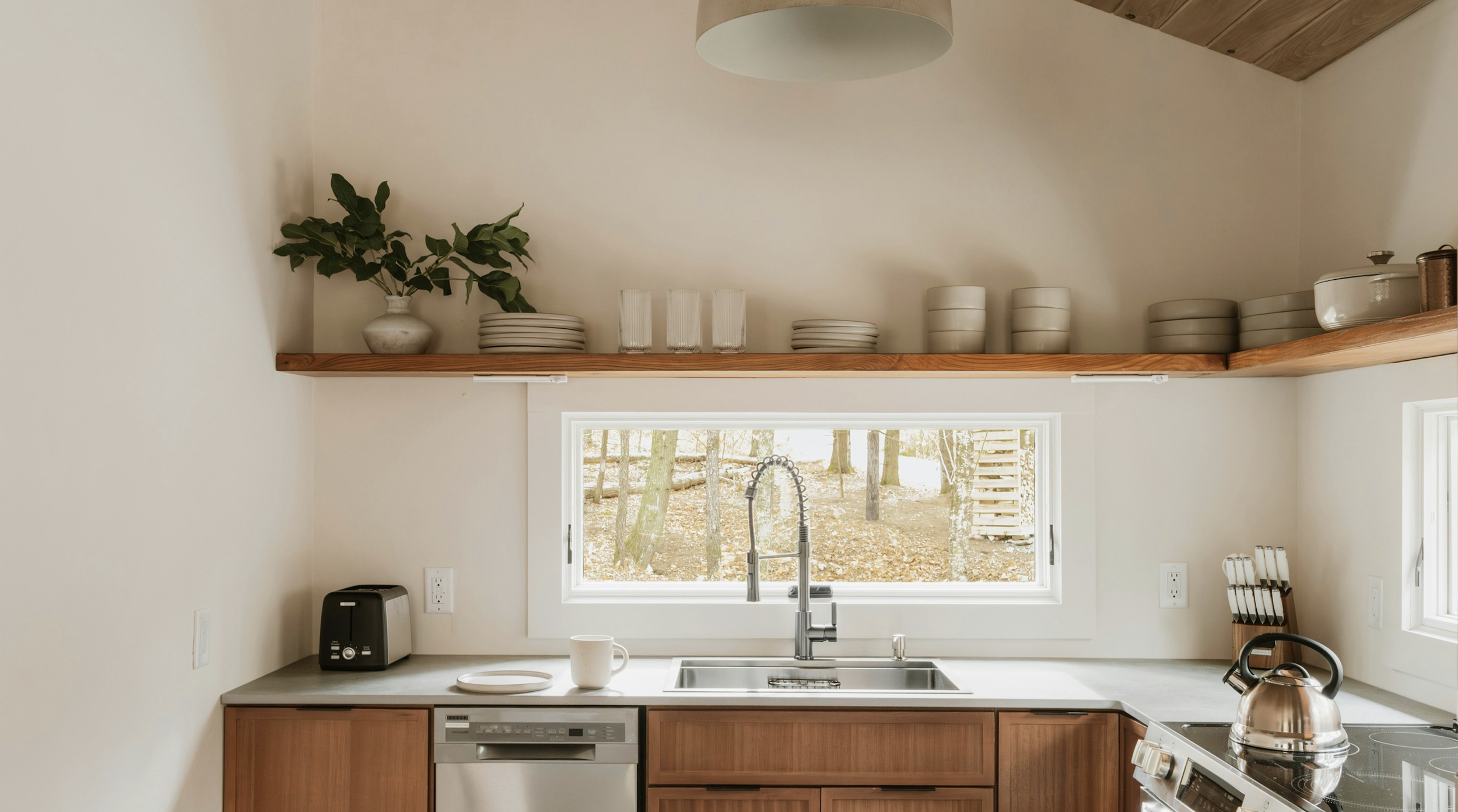
The kitchen is one of the most used rooms in the home — and one of the most impactful. It influences how you cook, how you gather, how you eat, and even how you feel.
Yet when designing a kitchen, it’s easy to jump straight to the aesthetic decisions: the backsplash, the countertop material, the cabinet color. While those details matter deeply, the foundation of a successful kitchen begins elsewhere — with functionality, flow, and how the space supports your daily life.
A well-designed kitchen is not just beautiful. It works. And when it works well, it quietly improves your health and wellbeing.
Let’s break down what truly matters.
Start with Function: The Importance of Kitchen Layout
Before selecting finishes, begin with layout. A functional kitchen is one that supports how you actually move and use the space.
At the core of kitchen planning is the classic work triangle — the relationship between the sink, the cooktop (or range), and the refrigerator. These three elements should be positioned close enough to create efficiency, but not so close that the space feels cramped.
While modern kitchens often reinterpret this principle — especially in large, open-concept homes — proximity still matters. For example:
If the sink is too far from the cooktop, transferring hot pots becomes awkward and inefficient.
If the refrigerator disrupts prep space flow, daily cooking feels disjointed.
In larger kitchens, adding a prep sink or secondary work zone can maintain efficiency without sacrificing scale.
When designing a layout, consider:
Where groceries enter the room and land.
Where guests naturally gather.
What sightlines exist from adjacent spaces.
Whether the cooktop belongs on the island or tucked along a wall.
Good kitchen design looks at the room from every angle — not just visually, but functionally.
Lighting: The Most Overlooked Design Decision
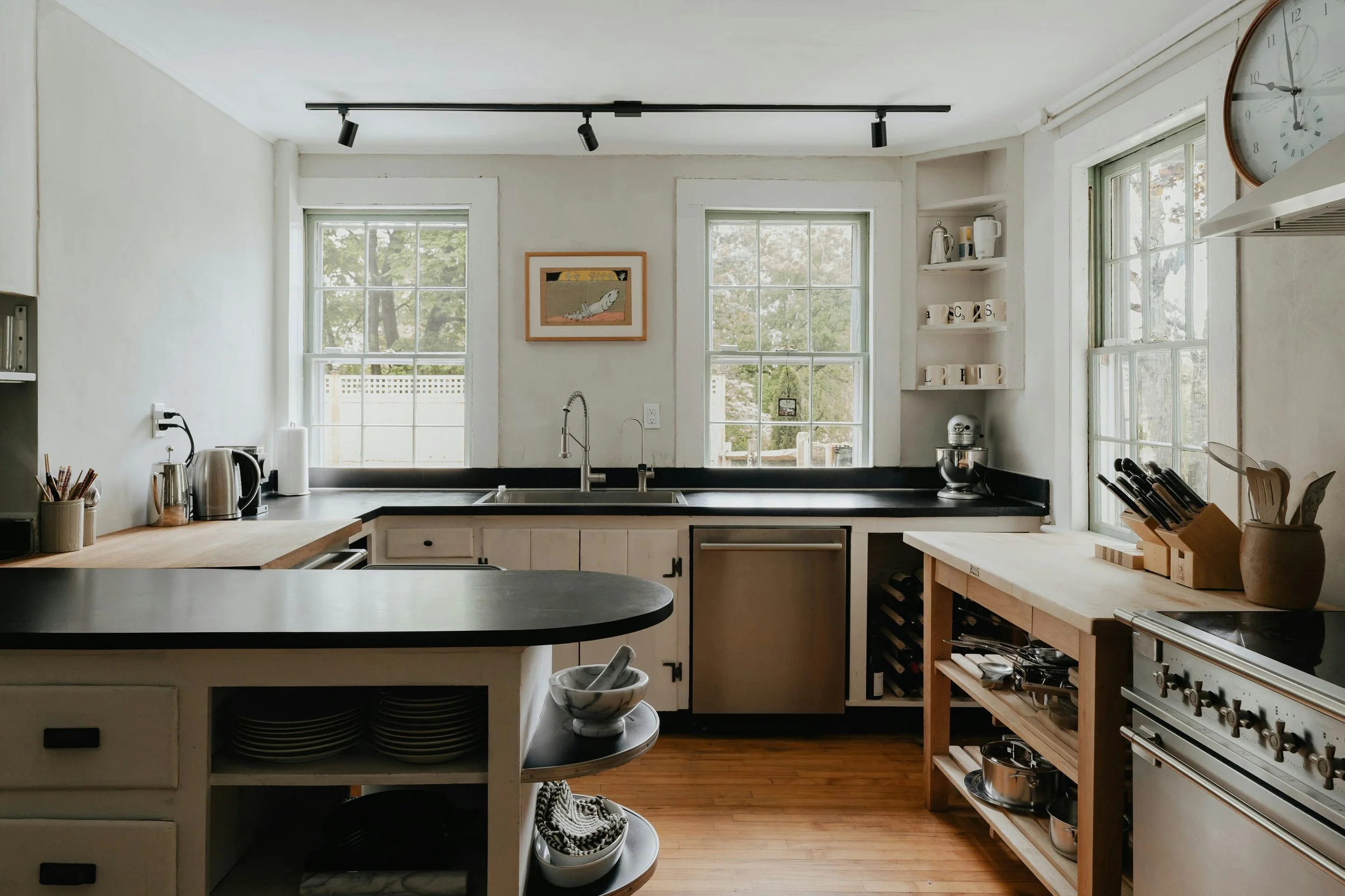
Lighting in a kitchen should never be an afterthought. It shapes both usability and atmosphere.
A successful lighting plan includes three layers:
1. General Lighting
Provides overall visibility and safe movement.
2. Task Lighting
Essential for food prep and cooking. This includes under-cabinet lighting, focused pendants, or directional sconces.
3. Ambient Lighting
Often overlooked — yet crucial. Dimming capabilities and warm evening lighting create a softer transition when the kitchen connects to living spaces.
Lighting also contributes to materiality and mood. Sculptural pendants, architectural fixtures, or even subtle cabinet lighting introduce warmth to a space filled with hard surfaces.
The right lighting plan enhances both function and emotion.
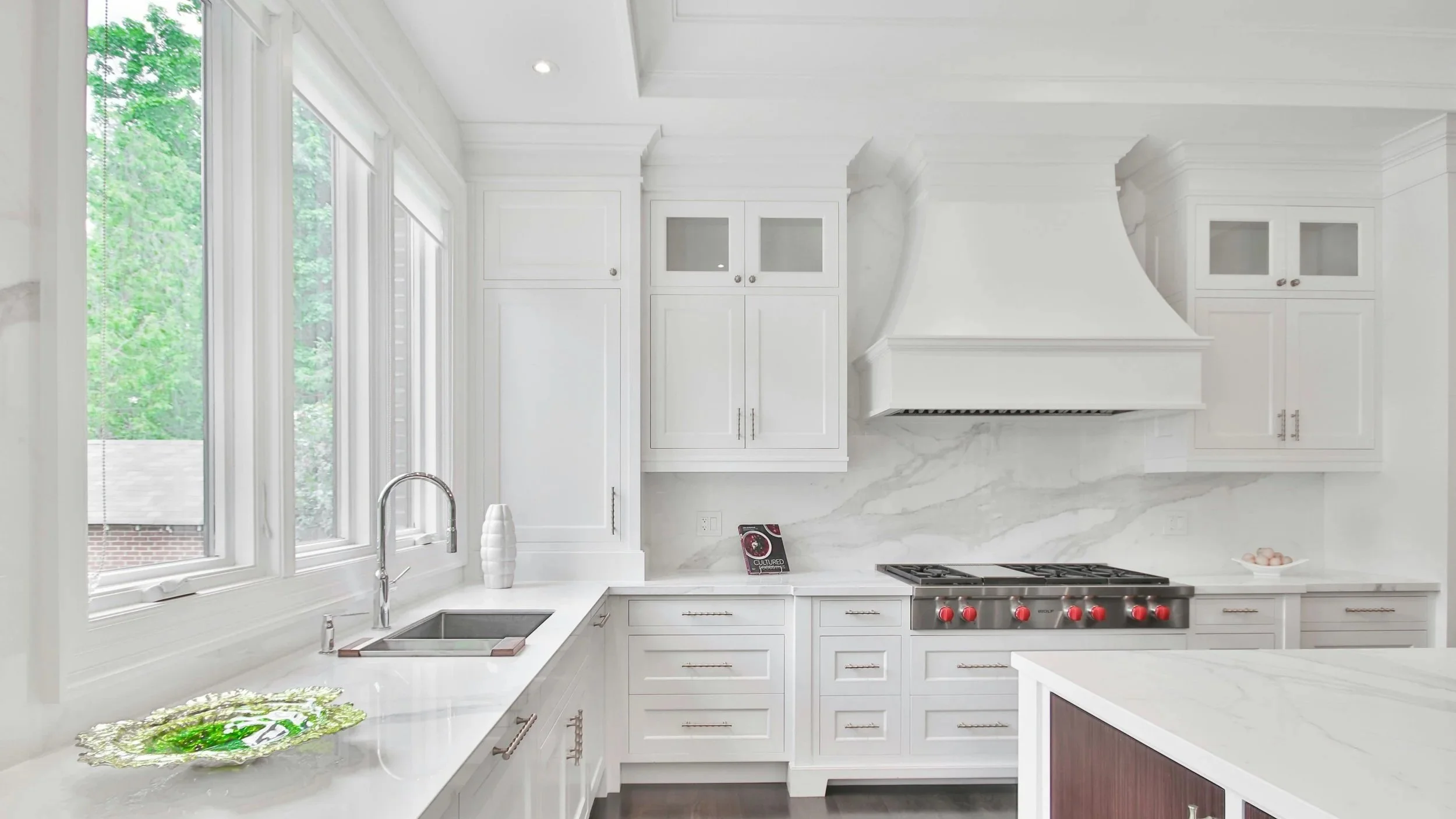
Storage and Ergonomics: Designing for the Body
Storage is not simply about maximizing space — it’s about reducing strain and frustration.
Well-designed storage considers:
Drawers instead of deep lower cabinets.
Pull-out shelving for easy access.
Appliance garages to reduce visual clutter.
Hidden niches for spices and oils.
Solutions for awkward corners.
Ergonomics play a significant role in kitchen comfort. Counter heights, seating heights, and reach zones affect posture and daily ease. Poor ergonomics can subtly increase stress and physical strain over time.
When your kitchen reduces bending, stretching, and searching, it becomes more enjoyable to use.
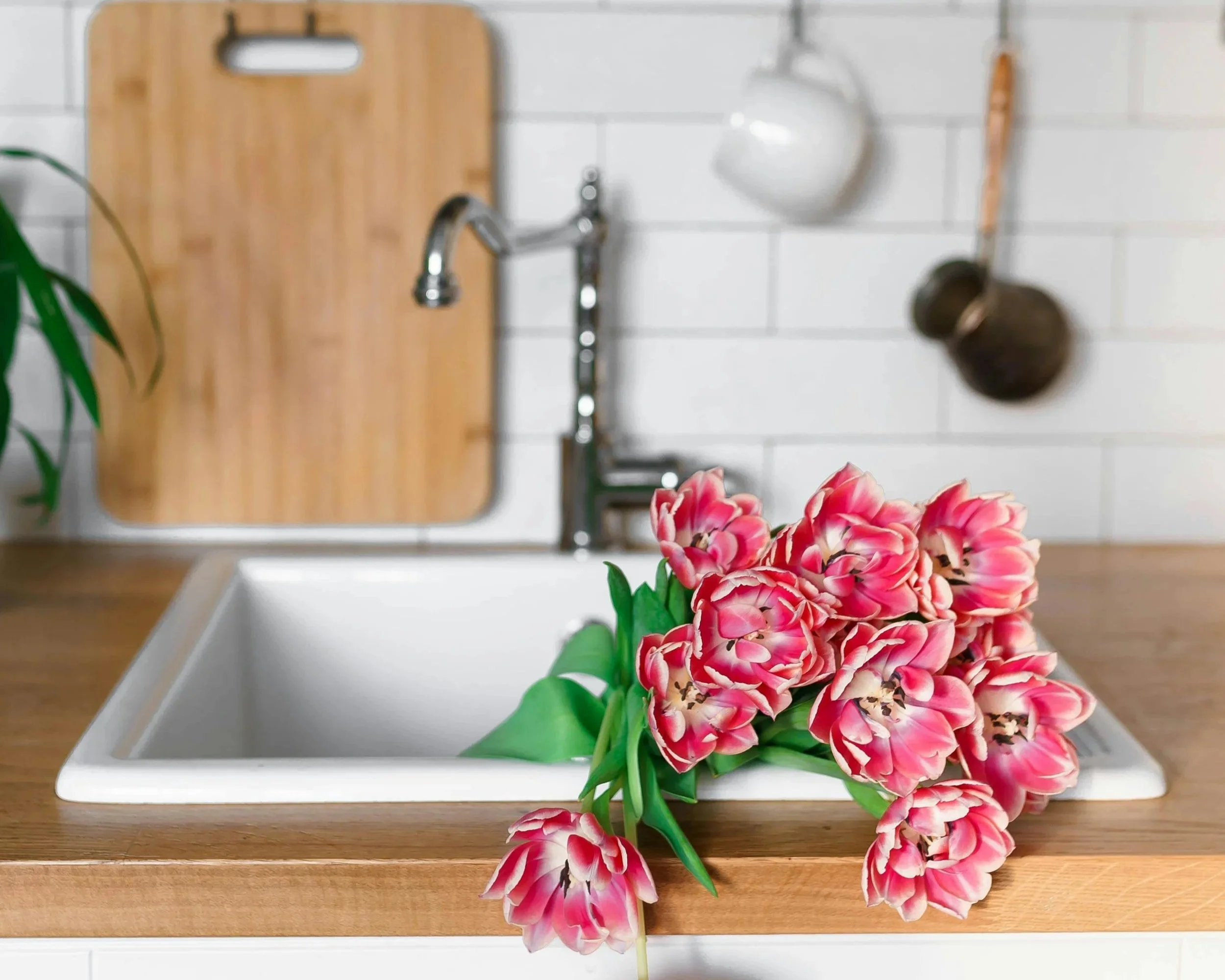
Design Impact: Why the Details Matter
Every material choice contributes to the overall atmosphere of the kitchen.
Impact comes from both individual decisions and how those decisions work together:
Backsplash height and texture
Cabinet door profiles
Flooring scale and pattern
Countertop material and veining
Hardware finishes
Paint sheen and tone
A backsplash that runs to the ceiling can elongate the room visually. Tonal consistency between cabinets and walls can draw the eye upward. Hardware acts like jewelry — subtle but transformative.
As Charles Eames famously said, “The details are not the details. They make the design.”
In the kitchen, this is especially true.
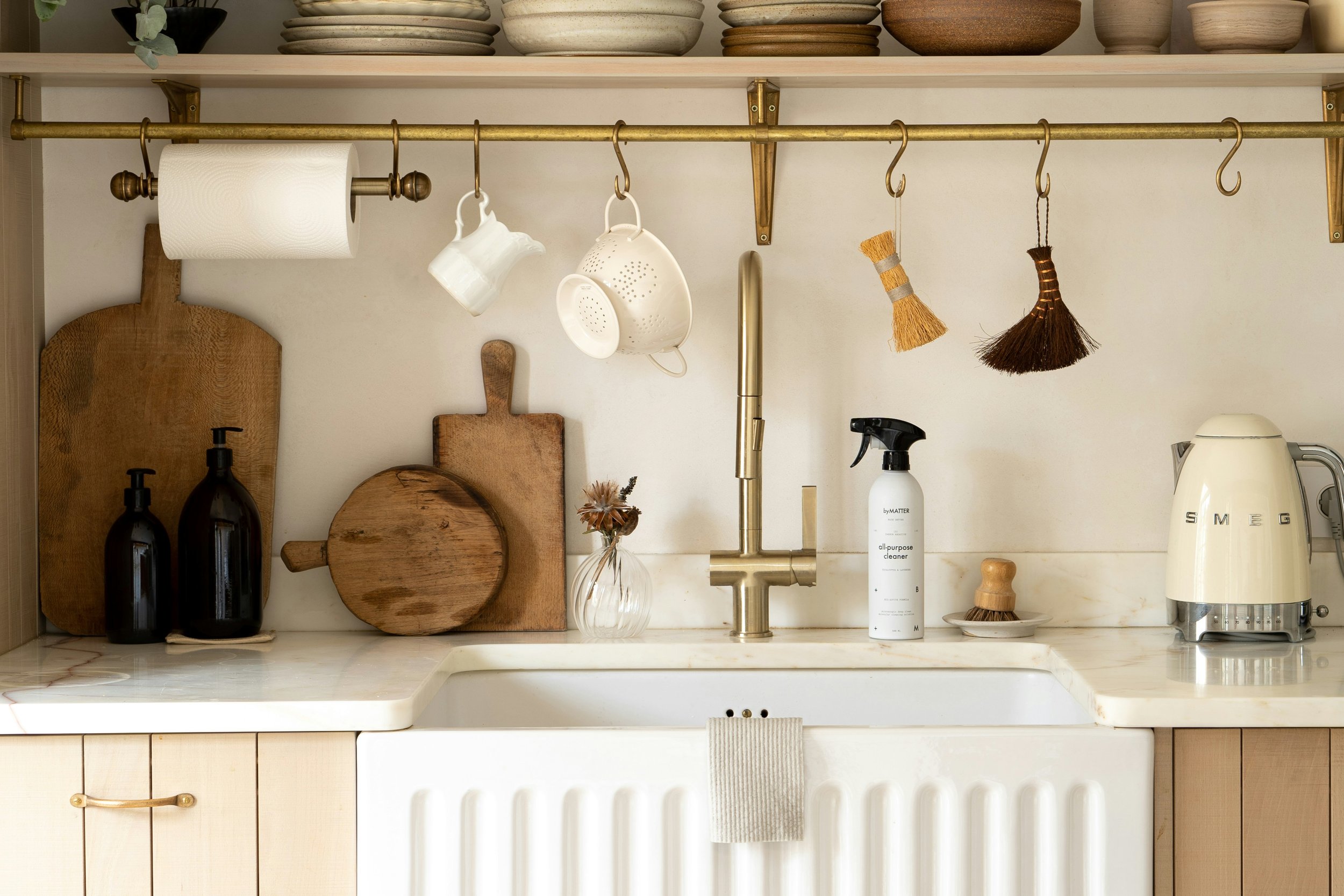
How Kitchen Design Affects Health and Wellbeing
The kitchen directly influences daily habits and emotional responses.
Ergonomics and Stress
When storage is difficult to access or layout flow feels awkward, frustration builds. Even minor daily irritations compound over time. Thoughtful design reduces this friction.
Aesthetics and Mood
Neuroaesthetic research shows that pleasing environments positively influence emotional wellbeing. Walking into a kitchen that feels intentional, organized, and beautiful can elevate mood and reduce stress.
Hygiene and Layout
Studies on cross-contamination suggest that greater distance to the sink can increase contamination risk during meal preparation. Easy access to handwashing supports healthier habits.
Eating Habits and Environment
Research has also shown that messy environments combined with stress may increase unhealthy snacking. Additionally, open-concept kitchens where food remains visible may encourage higher consumption.
The design of the kitchen subtly shapes behavior.
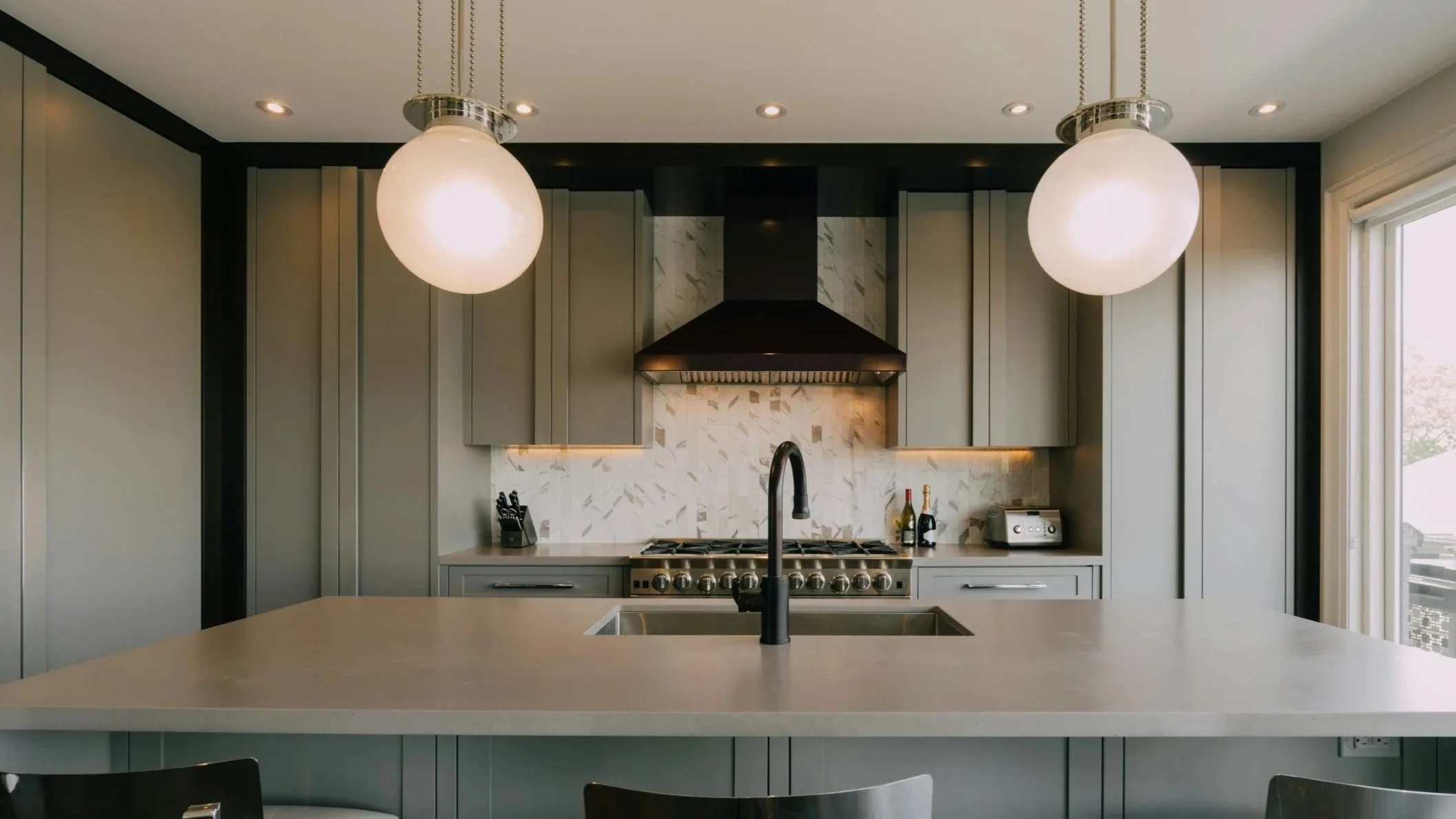
Simple Kitchen Updates Without a Full Renovation
Not every improvement requires a full remodel. Small, strategic updates can dramatically shift impact.
Upgrade Lighting
Swap out dated pendants. Add sconces. Install dimmers. Lighting changes the mood immediately.
Paint Cabinetry
Painting lowers, uppers, or just the island can modernize a kitchen. Alternatively, replacing only doors and drawer fronts offers a high-impact transformation.
Update Hardware
New knobs and pulls are affordable and act as finishing details that elevate the space.
Style with Intention
Add art. Use trays to create purposeful groupings for coffee or tea stations. Introduce flowers or sculptural objects to soften hard surfaces.
When objects are grouped intentionally, the kitchen feels curated rather than cluttered.
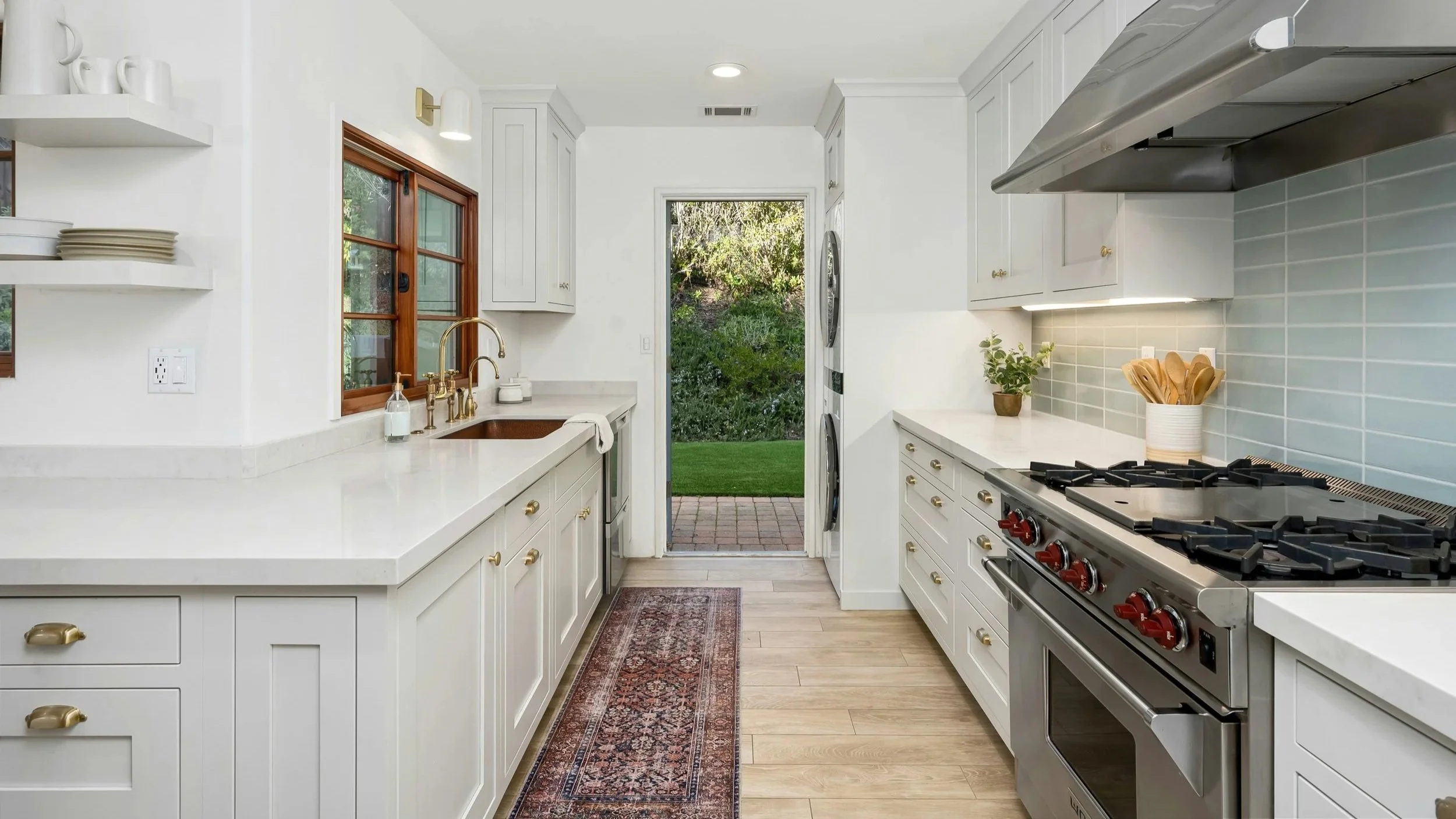
Designing a Kitchen That Supports Better Living
The kitchen is more than a workspace. It is a behavioral environment.
It shapes posture, stress levels, eating patterns, and daily rituals. When designed with intention — beginning with layout and supported by thoughtful details — it becomes a space that quietly improves quality of life.
Beautiful kitchens matter.
Functional kitchens matter.
Healthy kitchens matter.
And when those three align, the impact is lasting.