Interior Design for Better Living: Designing a Home That Supports Who You Are Becoming
Interior design is often treated as surface work — selecting furniture, choosing colors, styling shelves. But at its highest level, interior design is far more powerful than decoration.
It is the deliberate shaping of environment to support the life you want to live.
A well-designed home does not just look beautiful.
It fosters clarity.
It supports daily rhythm.
It holds memory.
It creates awe.
It reflects meaning.
Interior design becomes transformative when it moves beyond trend and begins with a deeper question:
What matters most to you — and how should your home reflect and support that?
The Home as a Foundation for Meaning
Every home tells a story.
The objects we keep, the art we hang, the light we wake up to, the way we gather — these choices accumulate into atmosphere. And atmosphere shapes experience.
Interior design should create more than visual appeal. It should create:
Emotional resonance
Personal alignment
A sense of belonging
Space for dreams and ambition
Moments of beauty that stop you in your tracks
Awe is not accidental. It can be designed.
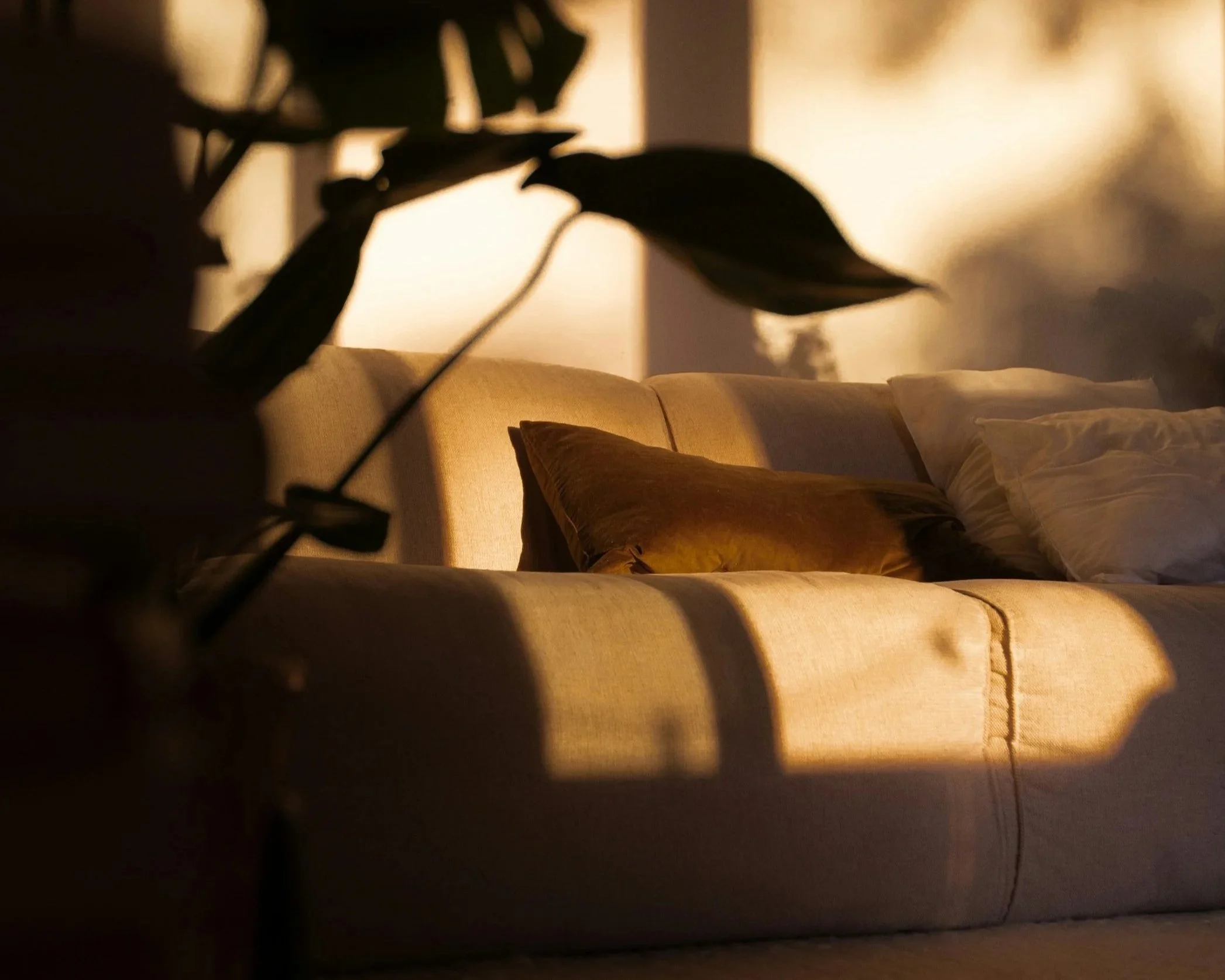
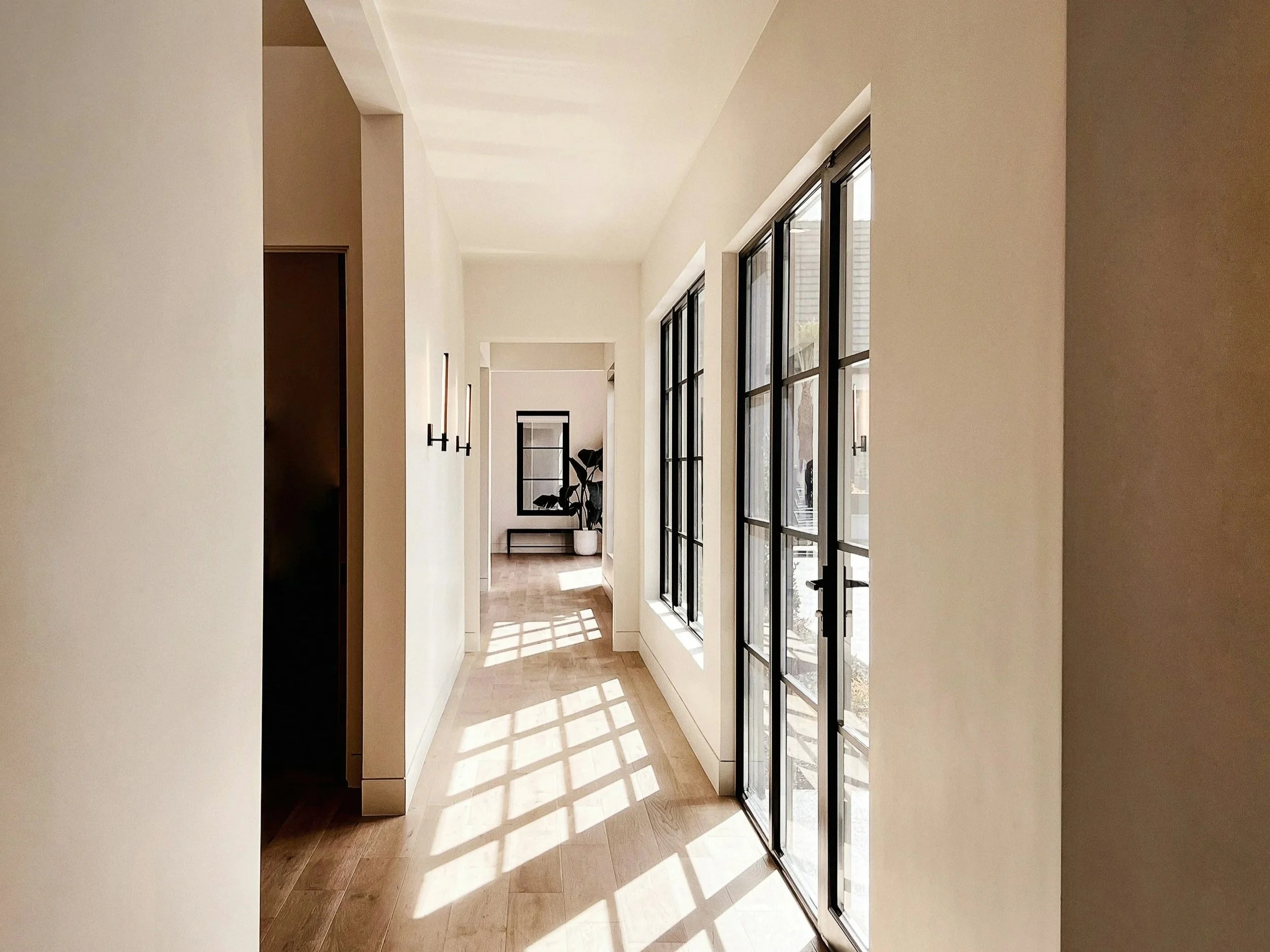
A dramatic shaft of natural light in the morning.
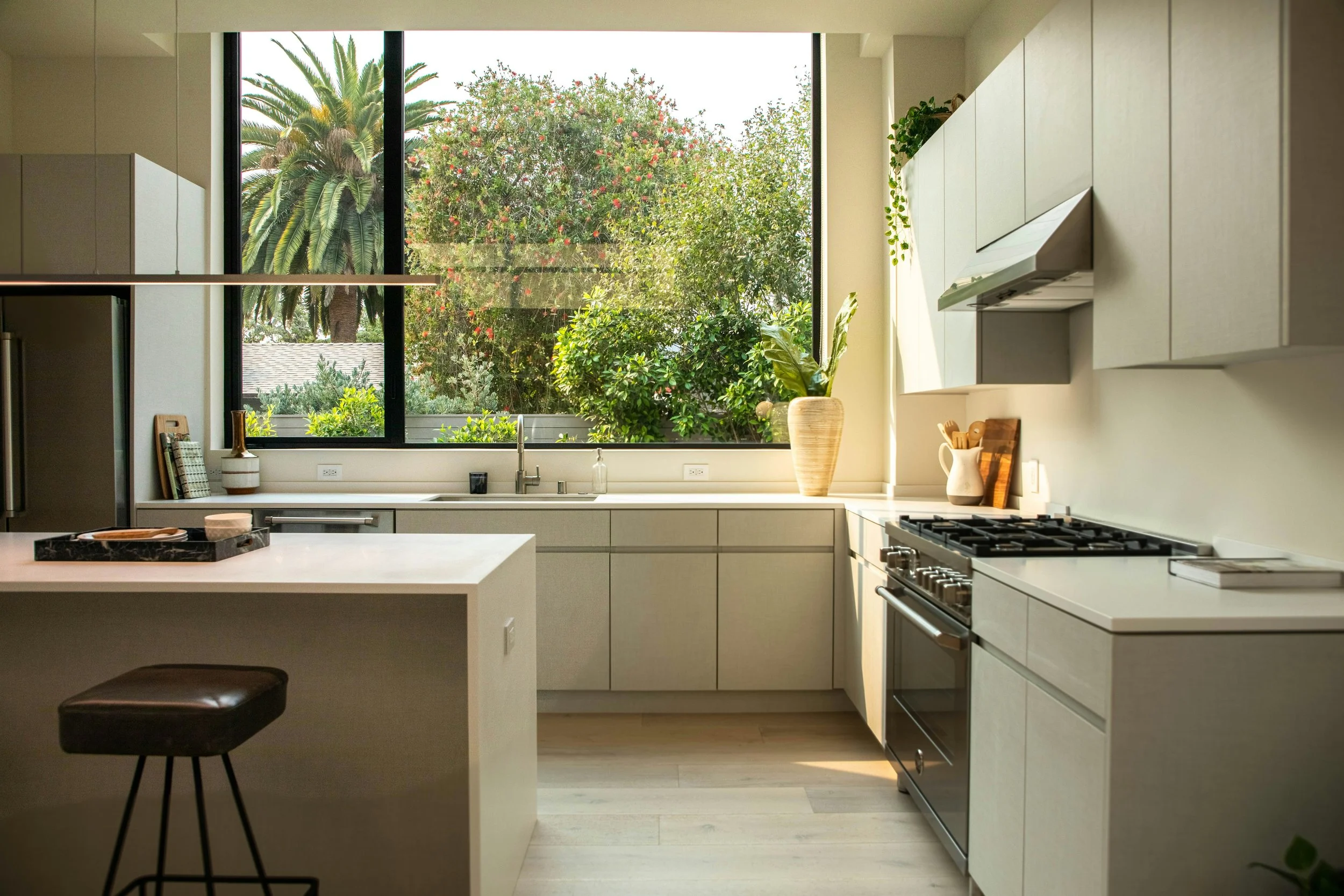
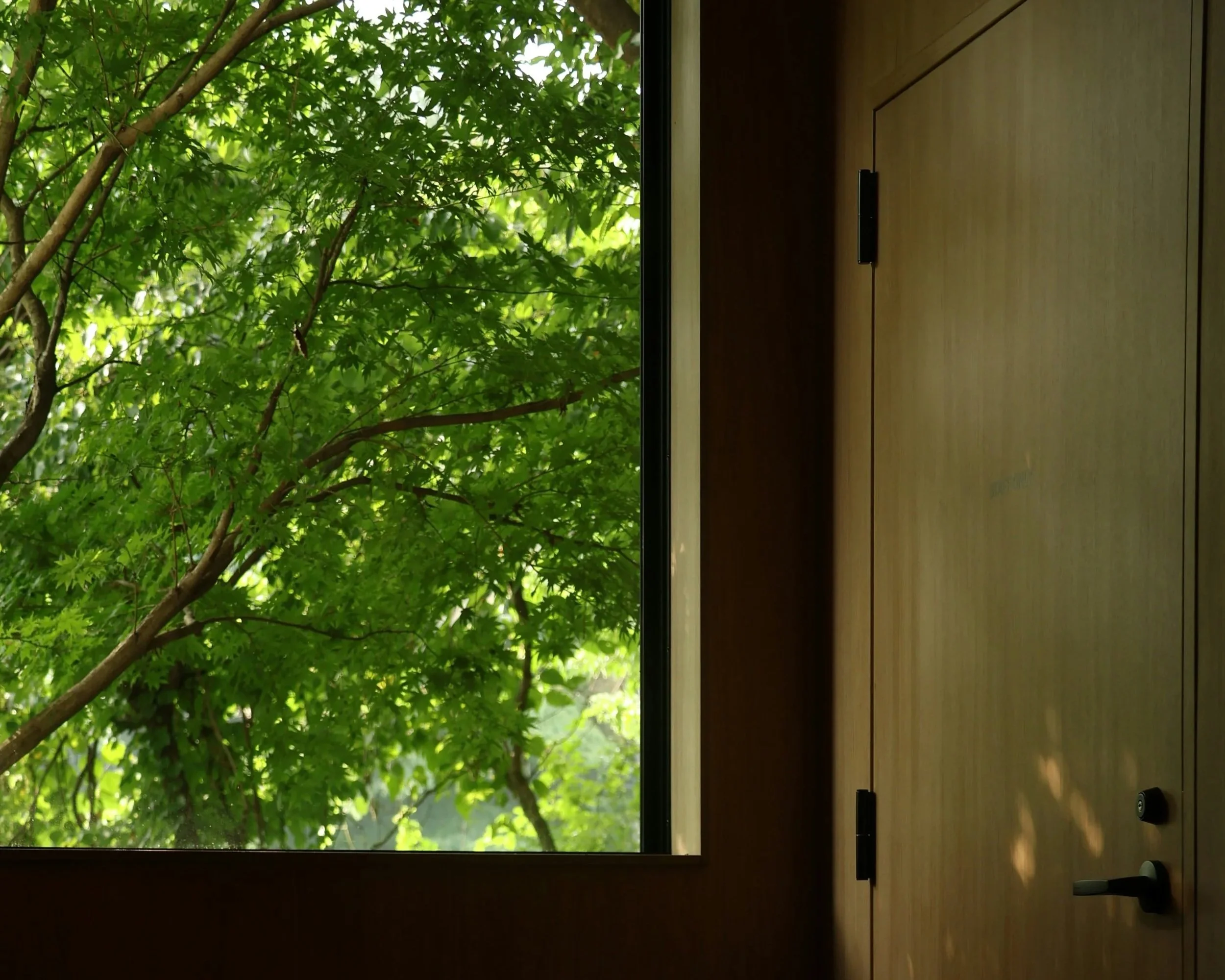
A carefully framed view of trees outside a window.
Layered textures that invite touch.
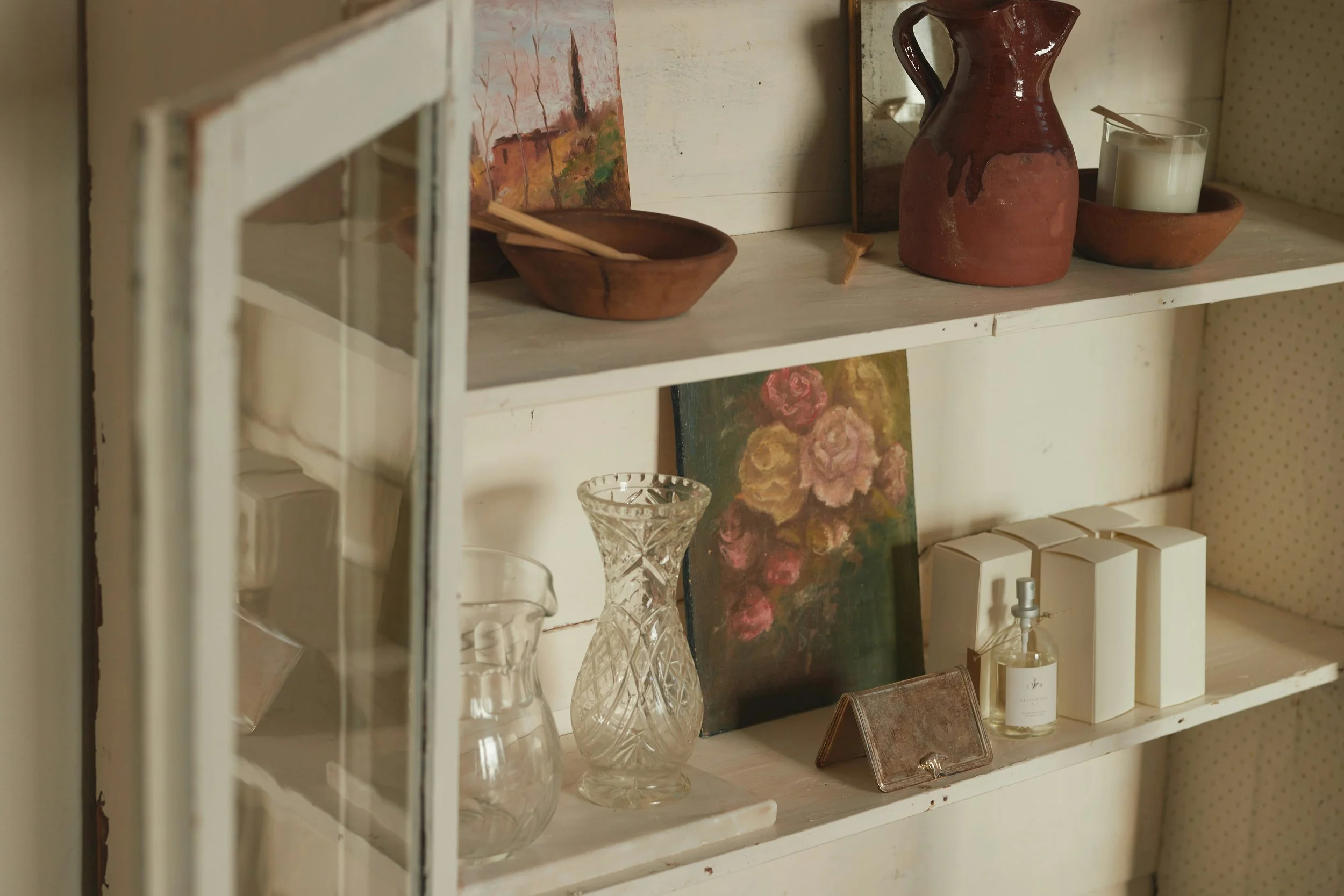
Art that reflects something deeply personal.
These are aesthetic choices — but they are not superficial. They influence how you feel in your own home.
Designing From the Inside Out
Rather than beginning with trends, a more powerful approach is to begin internally.
What kind of life are you building?
What emotional tone do you want your home to hold?
What do you want more of — calm, focus, connection, inspiration?
From there, design decisions can be reverse-engineered.
If restoration is important, lighting becomes warm and layered.
If focus is essential, visual noise is reduced and layout becomes clear.
If connection matters, seating is arranged to face one another rather than a screen.
If inspiration is valued, art, books, and meaningful objects are integrated intentionally.
Interior design becomes a translation of priorities into physical form.
Beauty and Function Are Not Opposites
There is a misconception that systems are practical and aesthetics are indulgent. In reality, the strongest interiors integrate both.
A beautiful space that does not function creates frustration.
A functional space without visual intention feels incomplete.
High-level interior design considers:
Proportion and scale
Clearances and ergonomics
Layered lighting
Texture and materiality
Visual rhythm and repetition
Functional zoning within rooms
Systems matter — how a kitchen flows, how storage supports routines, how a laundry room guides action. But those systems sit within a larger framework of atmosphere and meaning.
The goal is not efficiency alone. It is ease combined with emotional richness.
The Role of Nature and Awe
Humans are wired to respond to nature. Natural light regulates circadian rhythm. Organic materials soften perception. Plants and greenery reduce visual stress and increase psychological restoration.
Designing with nature in mind is not a trend. It is a biological necessity.
Maximizing natural light.
Choosing materials that feel grounded and tactile.
Positioning furniture to connect with exterior views.
Layering greenery intentionally rather than decoratively.
These choices create subtle but powerful shifts in how a space feels.
A home that connects you to natural rhythms supports mental clarity and calm without effort.
The Meaning of Home
At its core, interior design is about belonging.
Belonging to your space.
Feeling supported within it.
Recognizing yourself in it.
The meaning of home is deeply personal. For some, it is sanctuary. For others, it is expression. For many, it is the place where identity evolves.
Design should evolve with you.
This might mean structural changes — reworking layout, adjusting flow, altering lighting plans. Or it might mean aesthetic refinements — introducing pattern, adjusting scale, adding depth through texture.
Both structural and aesthetic shifts carry weight when they are intentional.

Deliberate Design Choices
Deliberate design is not about doing more. It is about doing thoughtfully.
It asks:
Does this room support my daily life?
Does it reflect what matters to me now?
Does it reduce friction?
Does it inspire?
Does it feel aligned with who I am becoming?
When nothing feels visually “off,” the nervous system settles. When flow is intuitive, energy is conserved. When beauty is present, attention softens.
Interior design becomes a tool — not for perfection — but for alignment.

Creating Space for Better Living
Creating space does not necessarily mean removing possessions or striving for minimalism.
It means creating space for:
Focus
Rest
Conversation
Creativity
Reflection
Growth
It means shaping your environment so that it quietly supports your ambitions and your well-being.
Interior design, at its highest level, is the art of translating values into environment.
When your home reflects what is important to you — and supports it through both structure and beauty — it becomes more than a backdrop.
It becomes a foundation for better living.